
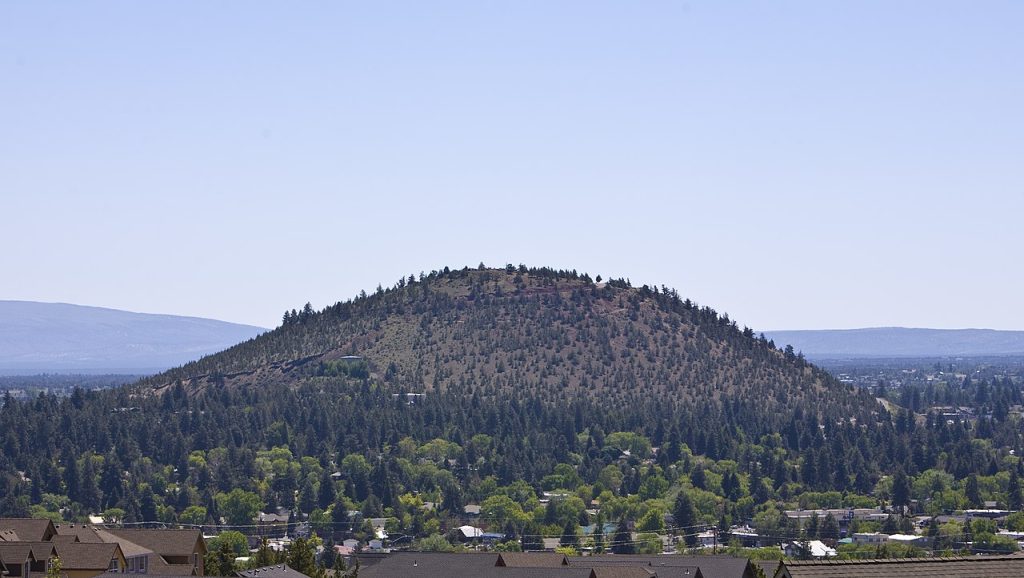
Pilot Butte State Scenic Viewpoint is an extinct cinder cone rising above the east side of Bend, Oregon, and it shapes both the city’s skyline and how local residents move and recreate. Because so many Bend residents walk, run, or drive its steep grades in a high‑desert climate, the butte also functions as an everyday landscape where musculoskeletal strain, joint stress, and fall risk can easily arise, especially for people already managing orthopedic issues.
Location, Geology, and Role in Bend
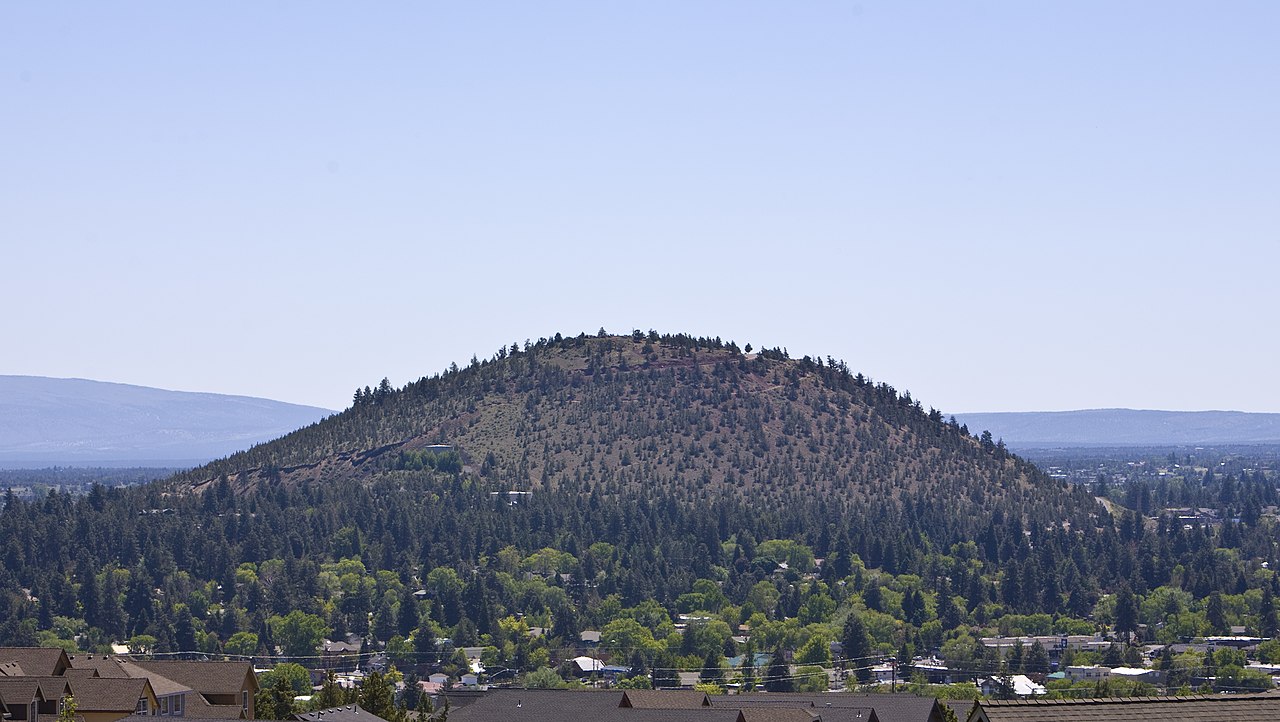
Pilot Butte stands about 4,138 feet above sea level and roughly 480–500 feet above the surrounding Bend neighborhoods, making it one of the most prominent features within the city limits. The cinder cone formed after a volcanic eruption roughly 188,000–200,000 years ago, when loose fragments of basaltic andesite piled up around a vent and later became the eroded cone visible today.
The butte sits just off Highway 20 on Bend’s east side, embedded in residential and arterial streets rather than remote forest. This urban placement makes Pilot Butte State Scenic Viewpoint a routine training ground for runners, walkers, dog owners, and families who live nearby, so its steep grades and uneven volcanic surfaces affect daily activity patterns for many residents with back, knee, hip, or balance concerns.
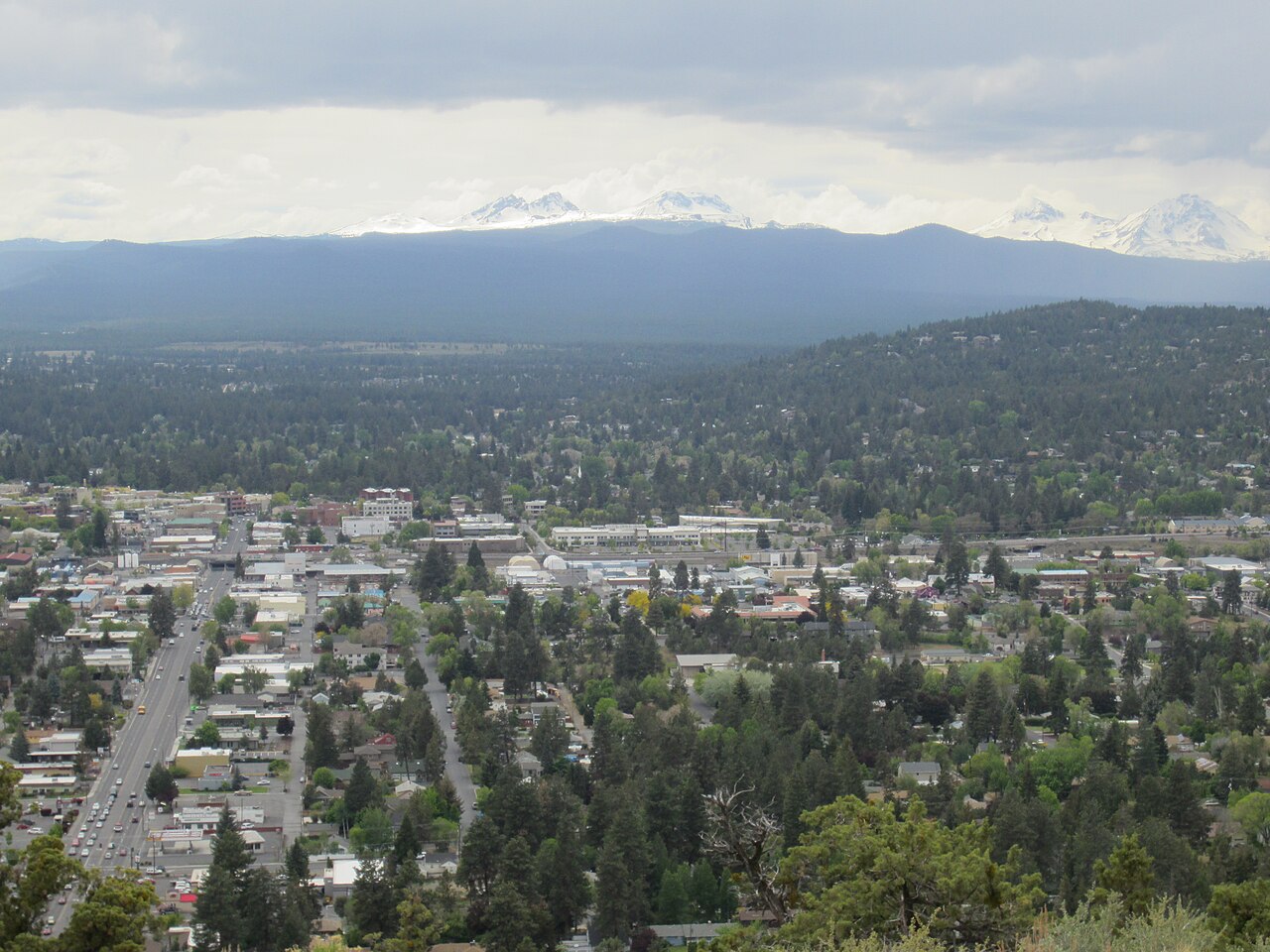
The state park encompasses roughly 100–114 acres, depending on how boundaries are described, and includes the summit, flanks, and access trails. Because the butte’s summit offers panoramic views of Bend and at least nine Cascade peaks across the Central Oregon high desert, it attracts over 700,000 visitors a year, which increases cumulative exposure to repetitive climbing, downhill descent, and variable footing.
Trails, Grades, and Everyday Physical Demands
Pilot Butte State Scenic Viewpoint offers multiple ways to reach the summit, each with distinct demands on the lower back, hips, knees, and ankles.
Common routes include:
-
A nature trail that loops up the butte on packed volcanic soil and gravel, gaining about 490 feet in elevation.
-
A paved road, open to vehicles in warmer months and heavily used by walkers and runners when closed to traffic in fall, winter, and early spring.
-
Shorter connector paths that intersect with neighborhood sidewalks and park access points.
Steep uphill grades place increased demand on the quadriceps and calf muscles and can aggravate patellofemoral pain (pain around the kneecap) or hip osteoarthritis, particularly in individuals who already have cartilage loss or previous joint injuries. According to the CDC arthritis data, about 1 in 5 U.S. adults lives with doctor‑diagnosed arthritis, and that prevalence rises with age, which means a significant portion of local Pilot Butte walkers likely manage some joint disease while navigating the climb.
Descending the butte adds different stresses, because downhill walking increases joint reaction forces in the knees and hips compared with level ground, especially when the surface is loose or uneven. For residents with prior ligament injuries, meniscal tears, spinal stenosis, or osteoporosis (reduced bone density), these repetitive downhill loads can exacerbate pain or raise the risk of falls and fractures if not approached with appropriate pacing, footwear, and balance awareness.
High‑Desert Climate, Seasonal Conditions, and Orthopedic Risk
Bend has a high‑desert, four‑season climate with warm, dry summers, cold snowy winters, and large temperature swings between day and night. Average seasonal temperatures and snowfall patterns, summarized in this Bend weather guide, show hot, dry summers and snowy, often icy winter months.
During summer, low humidity and strong sun mean that the exposed summit and upper slopes can feel much hotter than the air temperature, especially in mid‑afternoon. Dehydration and heat stress can worsen muscle fatigue and cramping, which may increase missteps or gait changes that aggravate existing back or joint pain.
In winter, road and trail surfaces can be compacted with snow or hidden ice, particularly on shaded north and east aspects of the butte. The Oregon Parks and Recreation Department notes on its state park page that the road is typically closed to vehicles from late fall through early spring, concentrating users on specific paths and raising the importance of traction to reduce slip‑and‑fall risk.
Because Bend sits above 3,600 feet in a relatively dry environment, weather can change quickly and winds at the summit may be noticeably stronger than at street level. For people with balance issues, vestibular disorders, or recent surgeries, these gusty conditions can destabilize walking posture, so handrails, walking poles, or shorter outings become especially relevant when planning a visit to the butte.
Historical and Cultural Significance in the Bend Landscape
Pilot Butte has long served as a navigational reference point in Central Oregon, guiding Native peoples, travelers along the Deschutes River corridor, and later Euro‑American wagon trains seeking safer crossings.
The land became a state park in the late 1920s, when Bend business associates donated the butte to Oregon in memory of Terrence Hardington Foley, with more tracts added in 1941 to protect the slopes. The Oregon Encyclopedia entry details this transition to a public scenic viewpoint.
As Bend expanded eastward, streets and commercial areas grew around the butte, turning it into a central urban green space for routine exercise and informal training. Its steep terrain now plays a direct role in daily activity patterns and orthopedic demands for people living in Bend.
Practical Considerations for Different Local User Groups
Because Pilot Butte sits within city limits and offers a relatively short but intense climb, it draws a wide spectrum of Bend residents, each with distinct orthopedic considerations.
Adults With Chronic Musculoskeletal Pain
For adults with chronic musculoskeletal pain, the uneven cinder and gravel surfaces can amplify shock through the spine and lower extremities, especially when footwear lacks cushioning or stability. Shorter, slower ascents, use of the more gradual roadway when conditions permit, and attention to pain signals during both ascent and descent can help people maintain activity while limiting flare‑ups in conditions such as lumbar disc disease, facet arthritis, or plantar fasciitis.
Athletes and Highly Active Residents
Athletes and highly active residents often use the butte for hill repeats, interval training, or trail running, which can improve cardiovascular fitness and leg strength but also concentrate repetitive load through tendons and joints. Careful progression of training volume, attention to downhill technique, and respect for rest and recovery days are particularly important for preventing overuse injuries such as Achilles tendinopathy, iliotibial band irritation, and stress reactions in the tibia or foot.
Seniors and People With Reduced Bone Density
Seniors and people with reduced bone density or joint replacements may find the grade challenging but valuable for maintaining walking endurance and lower‑body strength, both of which support independence and fall prevention. For this group, choosing lower‑traffic times of day, walking with a companion, and turning around before fatigue sets in can reduce cumulative joint and balance stress while still taking advantage of the butte’s accessible urban location and maintained paths.
Workers in Physically Demanding Jobs
Workers in physically demanding jobs — such as construction, warehouse work, and healthcare — often arrive at the butte with pre‑loaded muscles and joints from lifting, carrying, and repetitive motions during the workday. In these cases, scheduling climbs on lighter workdays, using gradual warm‑ups on flatter sections at the base, and favoring supportive shoes or braces when appropriate can help keep the butte a beneficial conditioning tool rather than an added source of strain.
Residents Recovering From Surgery or Injury
Residents recovering from orthopedic surgery or acute injuries frequently use gentle hill walking as part of their longer‑term rehabilitation under medical or therapy guidance. Because the butte’s elevation gain is measurable and repeatable, some individuals use specific landmarks on the trail or road as progressive goals, increasing distance or elevation only when pain and swelling remain stable, which aligns with evidence‑based rehabilitation principles that emphasize gradual loading and functional, real‑world terrain.