
PRP (Platelet-Rich Plasma) Therapy in Bend, Oregon
At High Desert Sports & Spine, our fellowship-trained and board-certified physicians use PRP as part of a thoughtful, personalized approach to orthopedic and sports medicine care in Bend, Oregon.
If joint pain, tendon injuries, or arthritis are limiting your activity, platelet-rich plasma (PRP) therapy may be an option worth discussing.
PRP is one of several orthobiologic tools we use to support the body’s natural healing process for certain musculoskeletal conditions. Delivered with ultrasound guidance for precision, it’s a minimally invasive option for patients who want to explore non-operative alternatives before considering surgery.
If you’re curious about whether PRP may be appropriate for your condition, the first step is a thorough evaluation with one of our physicians. We’ll walk you through your options honestly — and help you decide what makes sense for your goals.
What Is Platelet-Rich Plasma (PRP) Therapy?
Platelet-rich plasma therapy — commonly referred to as PRP — is a treatment that uses a concentrated portion of your own blood to support tissue healing at a targeted site.
Here’s the basic process: A small amount of blood is drawn from your arm and placed in a centrifuge, which spins it to separate the different blood components. This concentrates the platelets — the cells naturally responsible for triggering your body’s healing response — into a small volume of plasma. That concentrated solution is then injected directly into the affected area.
Platelets contain growth factors that play a role in tissue repair, inflammation regulation, and cellular signaling. By delivering a higher concentration of these growth factors to a specific injured or degenerative area, PRP therapy aims to support and stimulate the healing process in tissues that may have limited blood supply or have struggled to recover on their own.
PRP is classified as an orthobiologic treatment — a category of therapies that use biological material derived from your own body. It has been studied in the treatment of various musculoskeletal conditions, including tendon injuries, joint degeneration, and certain soft tissue problems. The research is ongoing, and results vary depending on the condition and individual factors.
At High Desert Sports & Spine, we approach PRP as one evidence-informed option within a broader set of tools — not a one-size-fits-all solution.



How PRP Therapy Works at High Desert Sports & Spine
Our PRP process is physician-directed and performed with precision. Here’s what the treatment involves:
- Evaluation First
PRP is only recommended when it’s clinically appropriate for your specific condition. Your appointment begins with a thorough specialty evaluation — a detailed review of your symptoms, imaging if available, and your goals. We’ll discuss whether PRP makes sense for your situation, what the realistic expectations are, and how it fits into your broader treatment plan.
- Blood Draw
A sample of your blood is collected from your arm at the time of your appointment.
- Centrifugation and PRP Preparation
The blood sample is placed in a centrifuge, which separates the platelet-rich plasma from the other blood components. This process takes approximately 10 to 15 minutes and produces a concentrated PRP solution tailored for your treatment.
- Ultrasound-Guided Injection
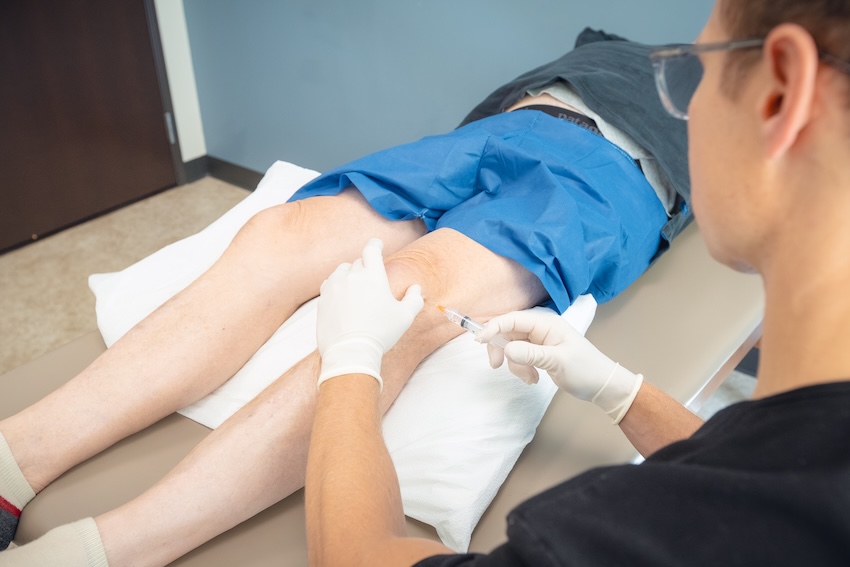
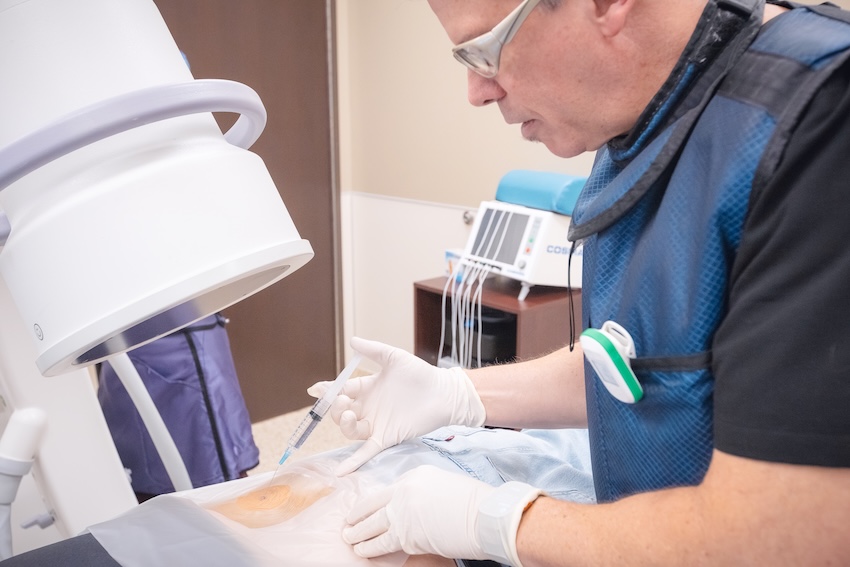
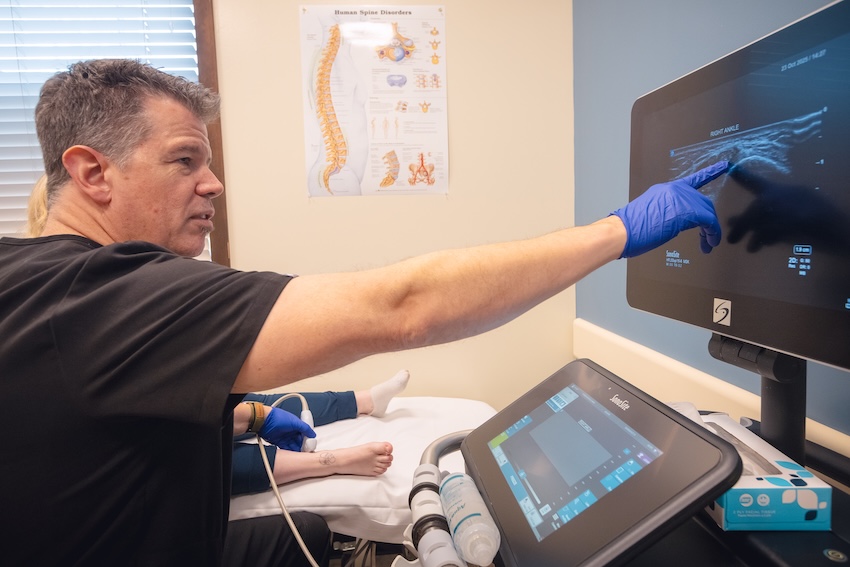
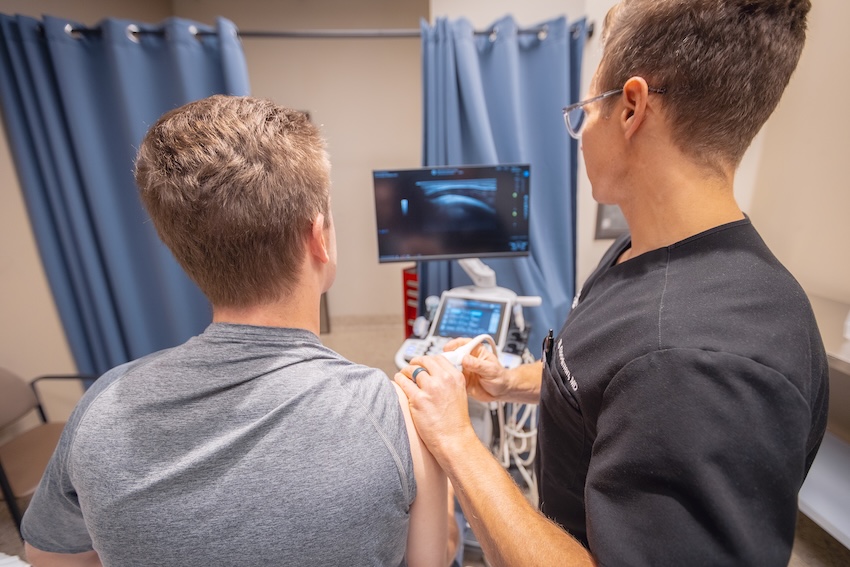
The PRP is injected into the affected area using ultrasound guidance. Real-time imaging allows us to visualize the target tissue and confirm precise placement of the injection — improving accuracy and giving us confidence that the treatment is being delivered exactly where it’s needed.
- Post-Procedure Guidance
Following the injection, you’ll receive specific instructions on activity, what to expect in the days ahead, and how to support your recovery. Some soreness or mild swelling at the injection site is common and typically resolves within a few days. We’ll schedule appropriate follow-up to monitor your progress.
The entire appointment — from preparation through injection — typically takes under an hour.
Conditions We Commonly Address with PRP Therapy
PRP therapy may be considered for a range of orthopedic and sports medicine conditions, particularly when conservative care hasn’t provided sufficient relief and surgery isn’t the preferred next step. Conditions our physicians commonly evaluate in the context of PRP include:
- Knee osteoarthritis and joint degeneration
- Rotator cuff tendinopathy and shoulder pain
- Tennis elbow (lateral epicondylitis) and golfer’s elbow
- Partial thickness rotator cuff tear
- Plantar fasciitis
- Patellar tendinopathy (jumper’s knee)
- Hip pain and gluteal tendinopathy
- Hamstring and other muscle-tendon injuries
- Ligament injuries and joint instability (select cases)
- Chronic soft tissue conditions that have not responded to other conservative care
Not every condition responds to PRP equally, and not every patient is an ideal candidate. A thorough evaluation is essential to determine whether PRP is clinically appropriate for your specific situation. If another approach is better suited to your goals, we’ll tell you.
Who May Be a Good Candidate for PRP Therapy in Bend, OR?
PRP may be worth exploring if you:
- Have a tendon, ligament, or joint condition that hasn’t fully resolved with rest, physical therapy, or other conservative treatments
- Are looking for a non-operative option before considering surgery
- Want to avoid or delay cortisone injections, or have found limited lasting benefit from them
- Are active or athletic and want to support recovery and return to function
- Have been diagnosed with early to moderate joint degeneration or osteoarthritis
PRP may not be appropriate for all patients or all conditions. Certain medications, underlying health conditions, or the nature of the injury may affect candidacy. A full evaluation with one of our physicians is the right starting point.
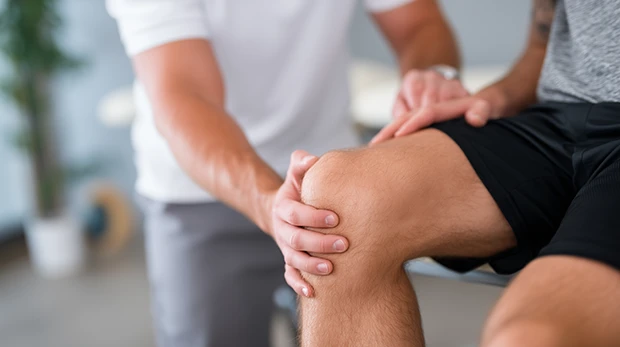

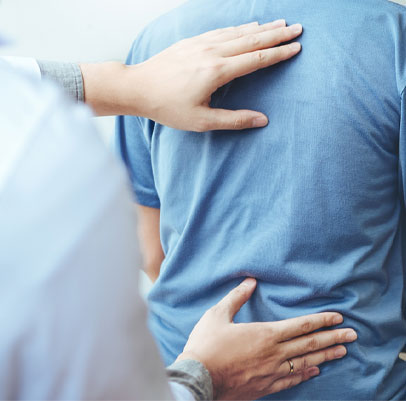
What to Expect at Your PRP Appointment
Your first step is a specialty evaluation — not a procedure. Here’s the typical flow:
- Consultation and evaluation: We review your medical history, symptoms, and any prior imaging or treatment. We discuss your goals and whether PRP is appropriate for your condition.
- Preparation: If PRP is recommended, we’ll schedule your procedure appointment. You may be advised to pause certain medications before the procedure.
- Blood draw: A blood draw is performed. No special preparation is typically required beyond staying well hydrated.
- PRP preparation: Your sample is processed on-site while you wait.
- Ultrasound-guided injection: The PRP is delivered with imaging guidance for precision.
- Post-procedure instructions and follow-up: You’ll receive clear guidance on what to expect during recovery, activity modifications, and when to follow up.
Most patients return to light activity the day of or the day following the procedure. We’ll provide specific guidance based on your condition and the area treated.
Why Choose High Desert Sports & Spine for PRP in Bend, Oregon?
There are several providers in Central Oregon who offer PRP. Here’s what sets our approach apart:
Physician-Led, Fellowship-Trained Expertise
PRP at High Desert Sports & Spine is evaluated, planned, and performed by board-certified, fellowship-trained physicians who specialize in musculoskeletal and orthopedic medicine. This isn’t an add-on service — it’s part of a specialty practice built around interventional and regenerative orthopedic care.
Ultrasound-Guided Precision
Every PRP injection we perform is guided by real-time ultrasound imaging. This allows us to visualize the target tissue, confirm needle placement, and deliver the treatment exactly where it’s needed. Imaging guidance isn’t standard everywhere — at HDSS, it’s how we work.
Integrated, Personalized Care
PRP is never offered in isolation. It’s part of a comprehensive evaluation and treatment plan. If a different approach is better suited to your condition — or if PRP should be combined with other therapies like shockwave (ESWT) or targeted rehabilitation — we’ll recommend the combination that makes the most clinical sense for you.
Honest Expectations
We won’t oversell PRP. The research is promising in several areas, but results vary by condition and individual factors. Our goal is to give you an accurate picture of what PRP may offer in your specific case — and to make sure you’re making an informed decision.
Timely Access, Without the Wait
We offer same-week appointments for new patient evaluations. For patients in Bend, Redmond, Sisters, Prineville, La Pine, and surrounding Central Oregon communities, that means faster access to specialty-level care without month-long waits.



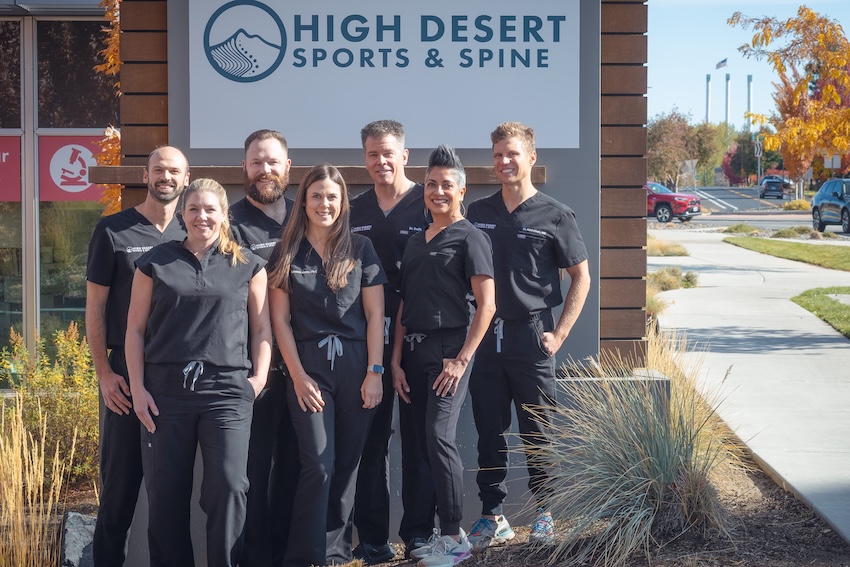
PRP Therapy in Bend, Oregon — Talk with Our Team
If you’re exploring PRP therapy in Bend, Oregon, and want an honest evaluation from fellowship-trained orthopedic physicians, High Desert Sports & Spine is here to help.
We serve patients across Central Oregon — including Bend, Redmond, Sisters, Prineville, La Pine, and Sunriver — with same-week appointments available for new patients.
Call to schedule a consultation, or request an appointment online. We’ll start with a thorough evaluation and give you a clear picture of your options.
Frequently Asked Questions About PRP Therapy in Bend, Oregon
PRP stands for platelet-rich plasma. It refers to a concentrated solution derived from your own blood that contains a high density of platelets and the growth factors they carry.
A small blood sample is drawn and processed in a centrifuge to concentrate the platelets. The resulting platelet-rich plasma is then injected into the targeted area — a joint, tendon, or soft tissue — to support the body’s natural healing response at that site.
PRP is commonly considered for tendon injuries (such as rotator cuff tendinopathy, tennis elbow, partial rotator cuff tear, and plantar fasciitis), joint degeneration and osteoarthritis (particularly the knee), and certain ligament and soft tissue conditions. Not all conditions respond equally — a physician evaluation is required to determine appropriateness for your specific situation.
PRP therapy is not covered by health insurance and is considered an out-of-pocket expense. Coverage varies by payer and continues to evolve as clinical evidence expands. We recommend contacting your insurance provider directly for the most up-to-date information on your plan. Our team can also discuss self-pay options with you at the time of your consultation.
This varies depending on your condition, the area being treated, and how your body responds. Some patients benefit from a single injection; others may be recommended a series of two or three treatments over a period of weeks. Your physician will outline a recommended treatment plan based on your evaluation.
PRP is not an immediate fix. Because it works by supporting a biological healing process, results typically develop gradually over several weeks to a few months. Some patients begin noticing improvement within four to six weeks; optimal results may take three months or longer. A follow-up appointment allows us to assess your progress and determine next steps.
The PRP injection itself may cause mild to moderate discomfort at the injection site, along with some soreness or swelling in the days following the procedure. This is a normal part of the healing response. Most patients find the procedure well-tolerated. We use ultrasound guidance to improve precision and minimize unnecessary discomfort.
Cortisone is a corticosteroid that works primarily as an anti-inflammatory, providing relatively fast symptomatic relief. PRP works differently — it aims to support tissue repair through biological healing mechanisms rather than suppressing inflammation. For some patients and conditions, PRP may offer more durable benefit. For others, cortisone may be more appropriate depending on timing and goals. We’ll help you understand which option makes the most clinical sense for your situation.
Because PRP is derived from your own blood, the risk of allergic reaction or disease transmission is minimal. Risks associated with the injection itself — including infection, nerve irritation, or localized bleeding — are rare but possible with any injection procedure. Ultrasound guidance helps reduce these risks by improving injection accuracy. Your physician will review all relevant risks and considerations with you prior to treatment.
No referral is required. You can contact our office directly to schedule a consultation and evaluation. Our team will help guide you toward the right next step.
Yes. In some cases, PRP may be recommended in combination with other interventional or rehabilitative approaches — including MLS Laser, shockwave therapy (ESWT) or a structured rehabilitation program. Your treatment plan will be personalized to your goals and the specifics of your condition.