
Neck Pain Treatment in Bend, Oregon
At High Desert Sports & Spine, our fellowship-trained, board-certified physicians evaluate and treat neck pain in Bend, Oregon, with a focus on non-operative and interventional options.
Neck pain is common. For most people, it resolves on its own in a few days or weeks. But when the pain radiates into the shoulder or arm, causes numbness or tingling, returns repeatedly, or simply does not improve, that is when a specialist evaluation makes sense. We work to find what is actually driving your pain, explain your options clearly, and help you decide on a plan that fits your goals.
If you have been told you have a herniated disc, a pinched nerve, cervical stenosis, or degenerative changes in your neck, or if you are just dealing with persistent neck pain that has not responded to rest or physical therapy, this is a reasonable place to start.



Understanding Neck Pain — When to See a Specialist
Most neck pain is muscular or postural and does not require specialist care. But certain symptoms suggest something more structural is going on, and those are the cases where an evaluation with an interventional spine physician is worth pursuing.
Consider scheduling a specialty evaluation if you are experiencing:
- Pain that radiates from the neck into the shoulder, arm, or hand
- Numbness, tingling, or “electric” sensations down the arm
- Weakness in the arm or hand
- Neck pain that has not improved after 4 to 6 weeks of conservative care
- Headaches that originate at the base of the skull
- Neck stiffness that limits your ability to turn your head comfortably
- Pain following a neck injury that has not resolved
- Chronic pain in the neck after prior cervical spine surgery
These symptoms can indicate a range of cervical spine conditions, some of which respond well to targeted interventional treatment. A thorough evaluation is the starting point for understanding what is going on and what can be done about it.
Neck Conditions We Evaluate and Treat in Bend, OR
The following conditions are among the most common causes of neck pain that bring patients to our practice. Each involves different anatomy and often responds to different interventional approaches.
Herniated Cervical Disc
The discs in your cervical spine (the neck) act as cushions between each vertebra. A herniated disc occurs when the outer layer of the disc develops a tear that allows the inner material to push outward. When that material presses on a nearby nerve root, it can cause pain, numbness, tingling, or weakness that travels into the shoulder or arm.
Cervical disc herniations are more common in people under 50 and can happen after an acute injury or develop gradually over time. Most respond well to non-operative care. In cases where symptoms persist, targeted interventional options are available.
Pinched Nerve (Cervical Radiculopathy)
Cervical radiculopathy is the clinical term for a pinched nerve in the neck. It occurs when a nerve root becomes compressed or irritated as it exits the spinal cord. The result is often pain that follows the path of that nerve, typically into the shoulder, arm, or hand, along with possible numbness, tingling, or weakness in the same areas.
A pinched nerve can be caused by a herniated disc, bone spurs from arthritis, or narrowing of the spaces through which the nerve exits. The good news: most cases of cervical radiculopathy resolve without surgery. Fellowship-trained spine physicians can evaluate which nerve is affected and discuss interventional options to reduce inflammation and support recovery.
Cervical Stenosis
Stenosis refers to a narrowing of the spaces within the cervical spine, either the spinal canal (which houses the spinal cord) or the foramina (the openings through which nerve roots exit). When these spaces narrow, pressure on the spinal cord or nerve roots can cause neck pain, arm symptoms, or in some cases, symptoms that affect gait or balance.
Cervical stenosis is usually age-related and develops gradually. Interventional options can help manage symptoms in appropriate patients. Cases involving significant spinal cord compression may require surgical consultation; our team will be direct with you if that applies to your situation.
Degenerative Disc Disease
Degenerative disc disease refers to changes in the cervical discs that occur with age. Over time, discs lose hydration and height, which can alter spinal mechanics, increase stress on surrounding joints, and in some cases contribute to nerve irritation. The term sounds alarming but represents a normal aging process; many people have significant disc degeneration on imaging with no symptoms at all.
For those who do have pain or nerve symptoms related to degenerative changes, there are non-operative and interventional options that may help manage symptoms and improve function.
Cervical Arthritis (Facet Joint Arthritis / Cervical Spondylosis)
Arthritis in the cervical spine most commonly involves the facet joints, the small joints on the back of each vertebra that allow the neck to move and rotate. When these joints become inflamed or wear down over time, they can cause localized neck pain that worsens with certain movements and stiffness, particularly in the morning.
Cervical spondylosis is a broader term for age-related wear and tear in the cervical spine that may involve discs, joints, and bone spurs. Both conditions can be evaluated and managed with targeted interventional approaches.
Occipital Neuralgia
Occipital neuralgia involves irritation or inflammation of the occipital nerves, the nerves that run from the upper cervical spine through the scalp. The result is often sharp, shooting, or burning pain at the base of the skull, at the back of the head, or behind the eyes. It can be confused with migraines but has a distinct character and responds to different treatments.
Occipital nerve blocks: Targeted injections to reduce inflammation around the occipital nerves are a common interventional treatment and can provide meaningful relief for appropriate patients. A thorough evaluation helps distinguish occipital neuralgia from other headache types.
Chronic Neck Pain After Cervical Spine Surgery
Some patients continue to experience neck pain, arm pain, or nerve symptoms following prior cervical spine surgery. This can occur for a number of reasons, including adjacent segment changes, scar tissue, or incomplete resolution of the original nerve irritation. A specialty evaluation can help clarify what is contributing to ongoing symptoms and whether interventional options may help.





How We Diagnose Neck Pain
Accurately identifying the source of neck pain is what makes the difference between a treatment that works and one that does not. At High Desert Sports & Spine, the evaluation process is thorough, not rushed.
A typical evaluation includes:
- Medical history and symptom review: We ask about when symptoms started, what makes them better or worse, what you have already tried, and what your goals are.
- Physical examination: We assess range of motion, neurological function, strength, reflexes, and areas of tenderness to help localize the source of pain.
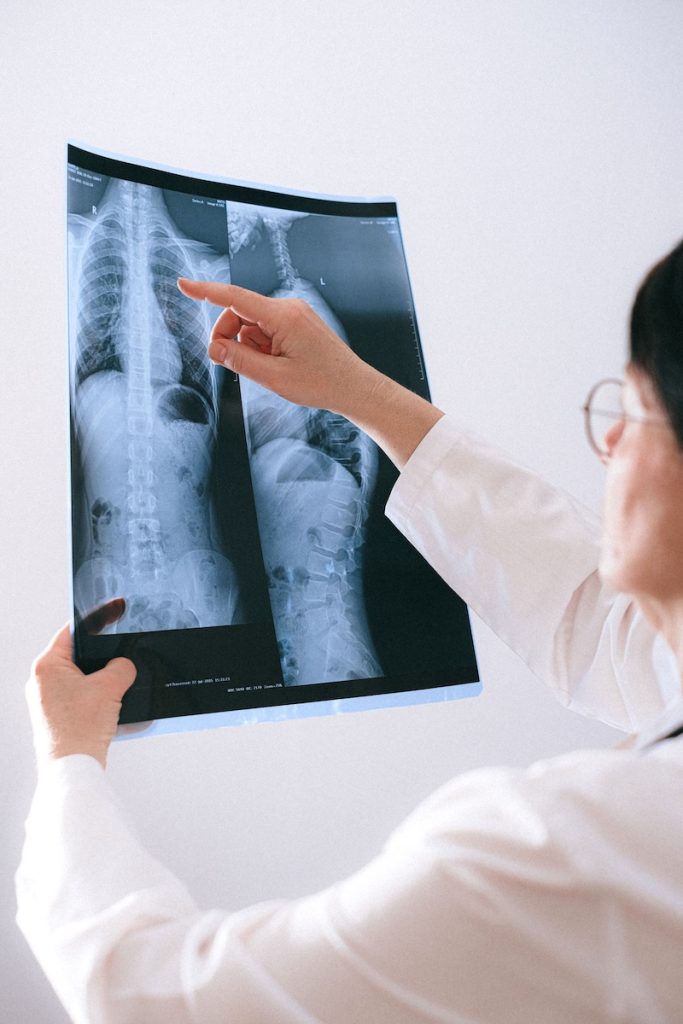
- Review of prior imaging: If you have had X-rays, MRI, or CT scans, bring them. We will review prior studies in the context of your symptoms because imaging findings alone do not always tell the full story.
- Additional imaging if needed: If imaging has not been done and the clinical picture warrants it, we will coordinate appropriate studies. On-site X-ray is available. MRI referrals can be arranged.
- Electrodiagnostic testing: In some cases, nerve conduction studies or EMG may help identify which nerve is affected and how severely. This is not always necessary but can be useful in complex cases.
After the evaluation, you will have a clear explanation of what is contributing to your pain, what your options are, and our recommendation, without pressure to commit to anything on the spot.
Neck Pain Treatment Options at High Desert Sports & Spine
The right treatment depends on your specific diagnosis, severity, and goals. Our physicians use a range of non-operative and interventional approaches. None of these are applied automatically; they are selected based on what is clinically appropriate for your situation.
Cervical Epidural Steroid Injections
A cervical epidural steroid injection delivers anti-inflammatory medication into the epidural space near the affected nerve root in the neck. The goal is to reduce inflammation around a compressed or irritated nerve, which can meaningfully reduce arm and neck pain in conditions like herniated disc and radiculopathy. The procedure is performed under fluoroscopic (X-ray) guidance to confirm accurate delivery.
Cervical Facet Joint Injections and Medial Branch Blocks
Facet joints are the small joints that connect each vertebra in the cervical spine. When these joints are arthritic or inflamed, they can be a significant source of localized neck pain and stiffness. Facet joint injections deliver medication directly into the affected joint to reduce inflammation and provide diagnostic information. Medial branch blocks target the specific nerves that supply the facet joints and are often used to determine whether radiofrequency ablation is appropriate for longer-term relief.
Radiofrequency Ablation (RFA) of Cervical Medial Branch Nerves
If medial branch blocks confirm that facet joint pain is the primary driver of your neck pain, radiofrequency ablation uses heat energy to disrupt the nerve signals carrying that pain. The effect typically lasts from six months to over a year. RFA is one of the more durable non-surgical options for chronic facet-mediated neck pain.
Occipital Nerve Blocks
For patients with occipital neuralgia, a targeted injection around the occipital nerves can reduce inflammation and provide meaningful pain relief. Occipital nerve blocks are generally well-tolerated, performed in the office, and can provide relief lasting weeks to months depending on the individual.
Trigger Point Injections
Trigger point injections address painful, tightened muscle knots in the neck and upper back that may be contributing to chronic neck pain and headaches. A small amount of local anesthetic, sometimes combined with a corticosteroid, is injected directly into the trigger point using ultrasound guidance.
Selective Nerve Root Blocks
A selective nerve root block is a more targeted injection that delivers medication around a specific nerve root to reduce inflammation and confirm which nerve is responsible for radiating arm symptoms. It serves both a diagnostic and a therapeutic purpose.





For Complex or Refractory Cervical Pain
Most patients with neck pain respond well to the interventional approaches described above. For a subset of those with chronic, persistent symptoms that have not responded to other treatments, more advanced options may be appropriate.
Cervical Spinal Cord Stimulation
Spinal cord stimulation (SCS) uses a small implanted device to deliver low-level electrical signals near the spinal cord, modifying how pain signals are processed by the nervous system. In the cervical spine, SCS is considered for conditions including chronic radiculopathy that hasn’t resolved with other interventional care, persistent pain following prior cervical spine surgery, and certain complex or refractory pain patterns where other options have been exhausted.
The process starts with a trial of temporary placement that lets you assess real-world relief before committing to a permanent implant. Our physicians have advanced fellowship training in neuromodulation and perform both the evaluation and the procedure. If SCS is a reasonable option for your situation, we’ll tell you why. If it isn’t, we’ll tell you that too.
Who May Benefit from Specialty Neck Care at HDSS
A specialty evaluation at High Desert Sports & Spine may be worth considering if you:
- Have neck pain with arm symptoms, including pain, numbness, tingling, or weakness that travels from the neck into the shoulder, arm, or hand
- Have been diagnosed with a herniated disc, pinched nerve, cervical stenosis, or degenerative disc disease
- Have tried physical therapy, rest, or over-the-counter medications without adequate improvement
- Are looking for non-operative options before considering cervical spine surgery
- Have headaches that originate at the base of the skull or behind the eyes
- Have chronic neck pain following prior cervical spine surgery
- Want an accurate diagnosis before committing to a treatment plan
Specialty care may not be the right next step if your symptoms are mild and recent (less than two weeks), show signs of improvement, and have no neurological features. For those patients, conservative management rest, gentle movement, and over-the-counter anti-inflammatories is still a reasonable first approach. We will tell you if it applies.




Why Choose High Desert Sports & Spine for Neck Pain in Bend, Oregon?
Patients searching for neck pain care in Bend have several options. Here is what makes our approach distinct.
Fellowship-Trained Interventional Spine Physicians
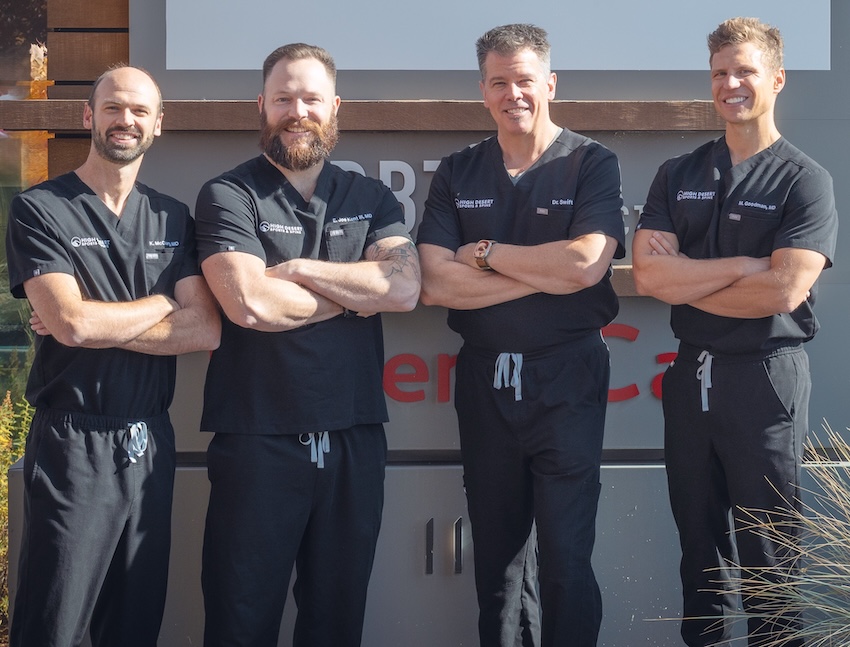
Our physicians completed fellowship training specifically in interventional spine and musculoskeletal medicine. This is not general orthopedics or primary care with injection privileges. It is specialty training focused on the diagnosis and treatment of spine conditions, including the neck.
That level of training matters when the question is whether a nerve root injection will help, which level to target, and how to interpret your imaging in the context of your actual symptoms.
Image-Guided Procedures
Every injection procedure at HDSS is performed under fluoroscopic (X-ray) or ultrasound guidance. This allows us to confirm placement before delivering medication, improving accuracy and reducing the chance of missing the intended target. Not every provider does this. At HDSS, it is standard.
Non-Operative Focus, Honest About Surgery
Our focus is on interventional and non-operative options. We are not neck surgeons. If your condition requires surgical evaluation, we will tell you and coordinate a referral to the right specialist. What we will not do is push you toward a procedure you do not need or steer you away from surgery if that is genuinely the best option for your case.
Same-Week Access
New patient evaluation appointments are typically available within a week. We serve patients throughout Central Oregon: Bend, Redmond, Sisters, Prineville, La Pine, and Sunriver without the months-long waits common at larger health systems.
Time With the Physician
You will have an actual conversation with a physician who has reviewed your case before walking in. We ask about your goals, your life, and what you are trying to get back to, not just your imaging.
What to Expect at Your Neck Pain Evaluation
- Intake and history: We review your symptoms, imaging, and prior treatments before the appointment so we can make the most of your time.
- Physical examination: A thorough exam covers range of motion, neurological function, and areas of tenderness. This, not imaging alone, is how we localize the problem.
- Clear explanation: You will leave understanding what is contributing to your pain, what the options are, and what our recommendation is. If something is uncertain, we will say so.
- Treatment decision: We will discuss whether an interventional procedure is appropriate, when it would be scheduled, and what to expect from it. No pressure.
- Follow-up plan: If a procedure is recommended, we will schedule it and provide clear preparation instructions. If follow-up visits are appropriate, we will lay that out as well.
Our goal is clarity at every step. You should leave knowing more than when you arrived and feeling confident about the next step, whatever that is.

Neck Pain Treatment in Bend, Oregon — Schedule an Evaluation
If you are dealing with neck pain, arm symptoms, or a cervical spine diagnosis and want an evaluation from fellowship-trained physicians, High Desert Sports & Spine is here to help.
We will start with a thorough evaluation, give you an honest read on what is going on, and walk through your options without pressure. Same-week appointments are typically available for new patients throughout Central Oregon.
Frequently Asked Questions About Neck Pain in Bend, Oregon
Most neck pain resolves on its own within a few weeks. See a specialist sooner if you have pain that radiates into your arm, numbness or tingling in the arm or hand, weakness in the arm, pain following a significant injury, or symptoms that have persisted for more than four to six weeks without improvement.
Radiating arm pain is a common sign of cervical radiculopathy, a pinched or irritated nerve root in the neck. It can be caused by a herniated disc pressing on a nerve, bone spurs narrowing the nerve’s exit from the spine, or inflammation around the nerve root. A specialist evaluation with imaging helps identify which nerve is affected and what is causing the compression.
Most cervical disc herniations resolve without surgery. Studies show that a significant portion of patients with symptomatic disc herniations improve with non-operative treatment over several months. Interventional options including targeted nerve root injections can help manage pain and support recovery during that time. Surgery is considered when symptoms are severe, rapidly worsening, or when there is evidence of spinal cord compression.
A cervical epidural steroid injection places anti-inflammatory medication into the epidural space of the cervical spine, near the affected nerve root. It is performed under fluoroscopic guidance to confirm accurate placement. The goal is to reduce inflammation around the nerve root, which can significantly reduce pain in conditions like herniated disc and cervical radiculopathy. It does not fix structural changes in the spine but can provide meaningful relief and help patients engage in physical therapy or simply recover more comfortably.
Occipital neuralgia involves irritation or inflammation of the occipital nerves, which run from the upper cervical spine into the scalp. Symptoms typically include sharp, shooting, or burning pain starting at the base of the skull and radiating upward, sometimes reaching behind the eyes. It differs from typical migraines in its pattern and location. Occipital nerve blocks are a common and often effective treatment.
Persistent neck or arm pain following cervical spine surgery is frustrating but not uncommon. A specialty evaluation can help determine what is contributing to ongoing symptoms and whether interventional options such as targeted injections or nerve stimulation may help. We can discuss what has been tried, review your surgical history, and give you an honest assessment of what options might be appropriate for your situation.
New patient evaluation appointments are typically available within a week. Same-week access is often possible. We serve patients from Bend, Redmond, Sisters, Prineville, La Pine, and Sunriver.
No referral is required. You can contact our office directly to schedule a consultation. Bring any prior imaging (MRI, X-rays, CT) if you have it, as it helps us make the most of your first visit.